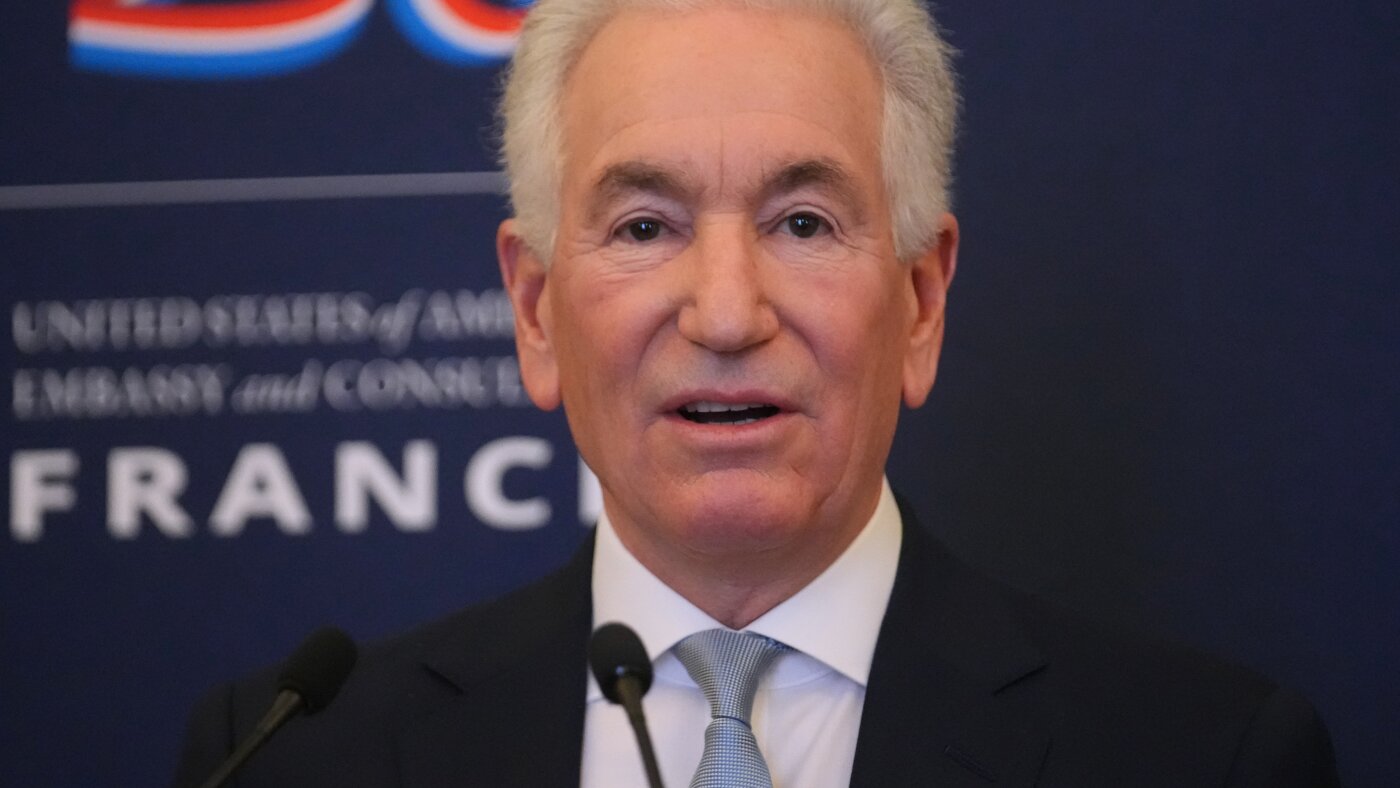
US Ambassador Kushner Navigates Diplomatic Tensions to Smooth France Spat
The delicate dance of international relations often hinges on swift and strategic diplomatic action, especially when unexpected provocations threaten long-standing alliances. Such was the case when US Ambassador Charles Kushner found himself at the epicenter of a burgeoning "france us spat," necessitating immediate efforts to smooth over a diplomatic row that had put a significant strain on the relationship between two of the world's oldest allies. The incident, sparked by controversial social media posts from the Trump administration regarding internal French affairs, highlighted the critical need for adherence to diplomatic protocol and mutual respect, even amidst heightened political sensitivities. Ambassador Kushner's eventual engagement with French Foreign Minister Jean-Noël Barrot proved instrumental in de-escalating what could have become a far more serious rupture.
The Genesis of the "France US Spat": A Social Media Spark
The origins of this particular "france us spat" can be traced back to a series of social media posts originating from the Trump administration. The catalyst was the tragic death of Quentin Deranque, a 23-year-old far-right activist, following a confrontation in Lyon between far-left and far-right groups. In the aftermath, the US State Department's Counterterrorism Bureau issued a statement on X (formerly Twitter) asserting that "violent radical leftism is on the rise and its role in Quentin Deranque's death demonstrates the threat it poses to public safety." This statement was subsequently reposted in French by the US Embassy in Paris.
For the French government, these posts were an egregious breach of diplomatic norms. France vehemently objected to what it perceived as blatant foreign interference in its internal judicial and political affairs. Such comments from a foreign government, particularly one as influential as the United States, were seen as undermining French sovereignty and attempting to influence domestic discourse on a highly sensitive issue. The reaction from Paris was swift and firm: Ambassador Charles Kushner was formally summoned by French authorities to provide an explanation for the contentious statements. This summons marked a significant escalation, underscoring the gravity with which France viewed the situation and setting the stage for a tense diplomatic standoff.
Diplomatic Protocol Challenged: The No-Show and Its Repercussions
The diplomatic situation took a sharp turn for the worse when Ambassador Kushner initially failed to appear for the summoned meeting with French officials. This no-show, described by the French foreign ministry as flying in the face of established diplomatic protocol, intensified the "france us spat" and drew a stern rebuke from French Foreign Minister Jean-Noël Barrot.
Speaking to public broadcaster France Info, Barrot expressed his "surprise" at the ambassador's absence and minced no words regarding the potential consequences. He explicitly stated that Kushner's failure to attend would "naturally, affect his capacity to exercise his mission in our country." Barrot emphasized the fundamental principle that for an ambassador to effectively perform their duties, they require access to government ministers and officials. Denying a summoned ambassador access is a severe diplomatic sanction, effectively hindering their ability to represent their country's interests and communicate with the host government. "There is nothing more usual than summoning an ambassador when explanations need to be made," Barrot asserted, highlighting that Kushner was "bringing difficulties on himself." This strong stance from the French Foreign Minister underscored the seriousness of the breach and the immediate threat to the ambassador's operational effectiveness in Paris. The incident starkly illustrated the critical importance of respecting diplomatic traditions, even when disagreements arise, as highlighted in this related discussion:
Skipped Meeting: US Envoy Risks Access in Paris Diplomatic Row.
Mending Fences: Kushner's Intervention and the Path to Rapprochement
Recognizing the escalating tensions and the severe implications of a prolonged "france us spat," Ambassador Kushner made a critical move to de-escalate the situation. Following Minister Barrot's public remarks, Kushner telephoned the French Foreign Minister. The call proved to be a turning point, signaling a deliberate effort to mend the fences and return to a more constructive dialogue.
According to a statement from the US Embassy in Paris, Kushner and Barrot engaged in a "frank and amicable call." This characterization is highly significant in diplomatic parlance, indicating a candid discussion where both sides articulated their positions, yet maintained a respectful and cooperative tone. Crucially, both officials reaffirmed their shared commitment to working together on the myriad issues impacting the United States and France. This includes cooperation with all other ministers and French officials, particularly as the two nations commemorate 250 years of rich diplomatic relations – a testament to the enduring strength of their bond despite occasional turbulence.
During the call, Barrot reiterated France's firm stance that it cannot accept foreign interference in its internal affairs. In response, Kushner "took note" of this position and expressed his willingness "not to interfere in our public debate," while also recalling the deep friendship binding the two nations. This acknowledgement and commitment from the ambassador were essential steps towards rebuilding trust. The immediate outcome was an agreement for Kushner and Barrot to meet in person in the coming days, effectively turning the page on the immediate crisis and paving a path towards full rapprochement. This swift and decisive diplomatic engagement showcased the power of direct communication in defusing sensitive situations, preventing the "france us spat" from festering. Learn more about the initial objections here:
France Objects to US Interference: Trump Tweets Spark New Spat.
The Enduring Significance of the US-France Alliance
While diplomatic spats, like the recent one involving Ambassador Kushner, can cause temporary friction, it is crucial to view them within the broader context of the enduring US-France alliance. This relationship, stretching back over 250 years to the American Revolutionary War, is one of the most historically significant and strategically vital bilateral partnerships in the world. Both nations share fundamental values rooted in democracy, liberty, and human rights, which have consistently underpinned their cooperation on the global stage.
Historically, the US and France have stood together through two World Wars, forged the North Atlantic Treaty Organization (NATO), and continue to collaborate extensively on a wide range of issues, including:
* **Global Security:** Counterterrorism efforts, intelligence sharing, and peacekeeping operations.
* **Economic Cooperation:** Trade, investment, and joint ventures that contribute to global prosperity.
* **Climate Change and Environmental Protection:** Leadership in international agreements and sustainable development initiatives.
* **Cultural Exchange:** Robust educational, artistic, and scientific partnerships that foster mutual understanding.
The occasional "france us spat" serves as a reminder of the complexities inherent in managing such a multifaceted relationship. However, the swift resolution, facilitated by Ambassador Kushner's efforts and Minister Barrot's firm but ultimately open approach, underscores the resilience and deep-seated importance both countries place on their alliance. Each time such a challenge arises, and is subsequently navigated, it reinforces the diplomatic mechanisms and the underlying commitment to a partnership that is critical for global stability and progress. The ability to address disagreements candidly while upholding diplomatic decorum is a testament to the maturity and strength of the US-France bond, ensuring that temporary disagreements do not derail a partnership vital to both nations and the international community.
Conclusion
The incident involving US Ambassador Charles Kushner and French Foreign Minister Jean-Noël Barrot provides a compelling case study in contemporary diplomacy and the importance of resolving a "france us spat" swiftly and effectively. What began with controversial social media posts and escalated with a missed diplomatic summons was ultimately defused through direct communication, mutual understanding, and a renewed commitment to diplomatic norms. Ambassador Kushner's telephone call to Minister Barrot, followed by their agreement to meet, successfully turned the page on a potentially damaging episode. This resolution not only preserved the functionality of the ambassador's mission in Paris but also reaffirmed the profound and enduring significance of the 250-year-old US-France alliance. It serves as a powerful reminder that while disagreements may arise, open dialogue, respect for sovereignty, and adherence to established protocols are paramount in maintaining and strengthening the vital bonds between nations.