France Objects to US Interference: Trump Tweets Spark New Spat
The delicate dance of international diplomacy is often tested, but rarely does a diplomatic crisis unfold so rapidly and publicly as the recent *france us spat* that erupted over comments from the Trump administration. What began as a tragic incident on French soil quickly escalated into a full-blown diplomatic row, highlighting the sensitivities of national sovereignty and the amplifying effect of social media in contemporary international relations. At its heart was a disagreement over perceived foreign interference, challenging the very foundation of Franco-American diplomatic etiquette.
The Spark: A Far-Right Activist's Death and US Comments
The catalyst for this latest *france us spat* was the beating death of Quentin Deranque, a 23-year-old far-right activist, in Lyon, France. Deranque died from brain injuries sustained during clashes between far-left and far-right groups earlier in the month. This internal French incident, while tragic, took an unexpected international turn when the U.S. State Department's Counterterrorism Bureau issued a post on X (formerly Twitter). The post explicitly stated, "violent radical leftism is on the rise and its role in Quentin Deranque's death demonstrates the threat it poses to public safety." The U.S. Embassy in Paris then amplified this message by posting the exact same statement, in French, on its own social media channels.
For the French government, this was a clear and unacceptable breach of diplomatic protocol. While countries often comment on global phenomena like terrorism or extremism, directly attributing blame for an ongoing internal incident and framing it within a specific ideological context on another sovereign nation's soil is widely seen as interference. France, fiercely protective of its national sovereignty and internal affairs, bristled at what it regarded as a foreign power weighing in on its domestic political landscape and justice system. The specific framing of "violent radical leftism" by a foreign government, particularly from the U.S., touched a raw nerve, leading directly to a formal protest.
Diplomatic Protocol Breached: The Summoning and the No-Show
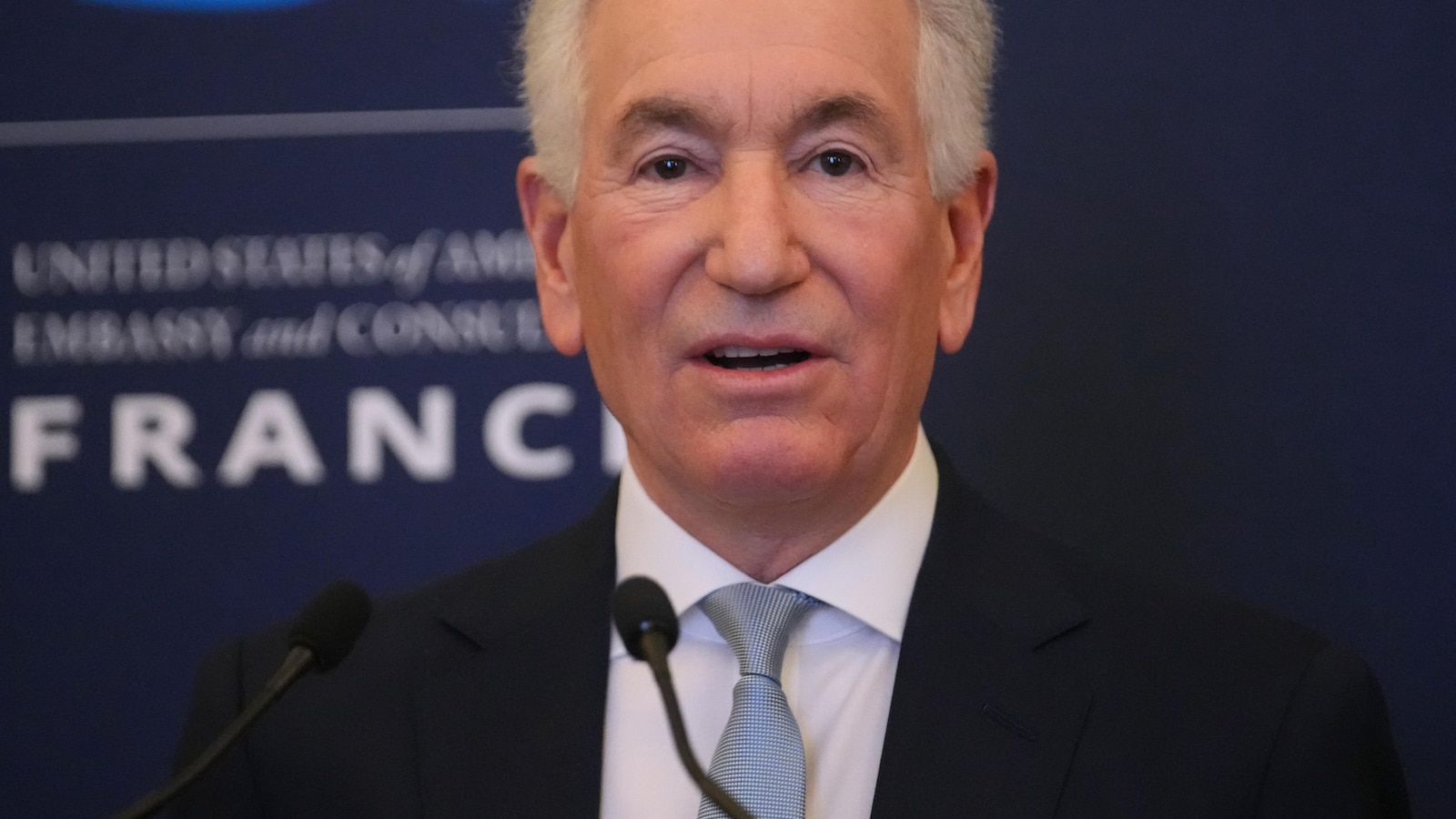
In response to the U.S. comments, French authorities quickly moved to exercise a fundamental tool of diplomatic displeasure: summoning the U.S. Ambassador. Ambassador Charles Kushner, the father of former U.S. President Donald Trump's son-in-law and adviser Jared Kushner, was called to the French Foreign Ministry to provide explanations for the controversial tweets. A summons of this nature is a serious diplomatic signal, indicating that a nation feels its sovereignty has been disrespected or its interests jeopardized.
However, the situation escalated dramatically when Ambassador Kushner *did not show up* for the scheduled meeting on Monday night. This unprecedented act of skipping a formal summons from the host nation's foreign ministry was a significant diplomatic affront. French Foreign Minister Jean-Noël Barrot minced no words when he addressed the media, stating that Kushner's no-show was "a surprise" and a direct challenge to diplomatic protocol. Speaking to public broadcaster France Info, Barrot declared that the ambassador's failure to appear would "naturally, affect his capacity to exercise his mission in our country." He emphasized that an ambassador's ability to operate effectively relies on access to government officials, and that by ignoring the summons, Kushner was "bringing difficulties on himself." This public rebuke underlined the gravity of the situation and the potential for a severe breakdown in diplomatic communication. The incident quickly became a textbook example of
how a skipped meeting can jeopardize a US envoy's access in Paris and beyond.
De-escalation and Damage Control: A Call to Reaffirm Ties
Following the public condemnation from Foreign Minister Barrot, Ambassador Kushner's office acted swiftly to contain the burgeoning *france us spat*. Kushner telephoned Barrot, leading to what the U.S. Embassy in Paris described as a "frank and amicable call." During this conversation, both parties reportedly reaffirmed their shared commitment to working together on the many issues impacting the United States and France, notably as they celebrate 250 years of rich diplomatic relations. This acknowledgment of a long-standing alliance provided a crucial backdrop for de-escalation.
Despite the amicable tone, Barrot used the opportunity to reiterate France's unwavering stance: it cannot accept foreign interference in its domestic affairs. Kushner, according to the minister's office, "took note, expressed his willingness not to interfere in our public debate, and recalled the friendship that binds France and the United States." This marked a significant turning point, with the U.S. ambassador essentially acknowledging the French position and committing to respect their sovereignty. The two diplomats agreed to meet in person in the coming days, signaling a return to more conventional diplomatic engagement and an effort by
US Ambassador Kushner to smooth the France diplomatic spat. This demonstrated the power of direct communication, even after an initial misstep, to bridge diplomatic divides.
The Delicate Dance of International Relations in the Digital Age
This particular *france us spat* serves as a poignant reminder of the enduring sensitivities in international relations, amplified by the immediacy of the digital age. The relationship between France and the United States is one of the world's oldest and most complex, characterized by periods of deep alliance, shared democratic values, and occasional strategic disagreements. From the American Revolution to two World Wars, and through the challenges of the Cold War and beyond, their bond has been largely resilient. However, underlying this alliance is a fierce sense of national pride and sovereignty on both sides.
Navigating Digital Diplomacy
The incident underscores how social media, while a powerful tool for public diplomacy, also presents significant risks. A single tweet or post, crafted without adequate consideration for diplomatic nuance and the principle of non-interference, can ignite a firestorm. For diplomats and government agencies, the lesson is clear: every public statement, particularly those pertaining to another nation's internal affairs, must be meticulously vetted for its potential impact on bilateral relations.
*
Respect for Sovereignty: A cornerstone of international law, the principle of non-interference dictates that states should not intervene in the internal affairs of other sovereign states. The U.S. posts about Quentin Deranque's death were seen as a direct violation of this principle.
*
The Role of Ambassadors: Ambassadors are typically the highest-ranking diplomatic representatives. Their actions and statements are viewed as reflecting the policy of their home government. Skipping a summons, therefore, carries immense weight and can significantly impede their effectiveness.
*
Communication Protocols: While "frank and amicable" phone calls can resolve immediate tensions, adhering to established communication protocols—like attending a summoned meeting—is crucial for maintaining trust and respect between nations.
The episode with Ambassador Kushner highlights the ongoing challenge of maintaining diplomatic decorum and mutual respect in an era where information spreads instantly and publicly. While the *france us spat* was ultimately diffused, it provides a stark lesson on the potential for seemingly minor missteps to cause significant diplomatic friction, even between the closest of allies.
Conclusion
The recent *france us spat*, triggered by U.S. social media comments and compounded by a skipped diplomatic meeting, offers a compelling case study in modern international relations. It demonstrated France's unwavering commitment to its sovereignty and the U.S.'s capacity for both diplomatic missteps and swift damage control. While the immediate tensions were smoothed over through direct communication and a recognition of shared friendship, the incident underscores the critical importance of diplomatic protocol, careful communication, and profound respect for national sovereignty. In a world increasingly interconnected and opinionated online, the delicate balance of international alliances hinges on these fundamental principles, ensuring that even historical friends can navigate new challenges without unnecessary friction.